Crush On AI: Exploring the New Frontier of Digital Companionship
Crush On AI: Exploring the New Frontier of Digital Companionship
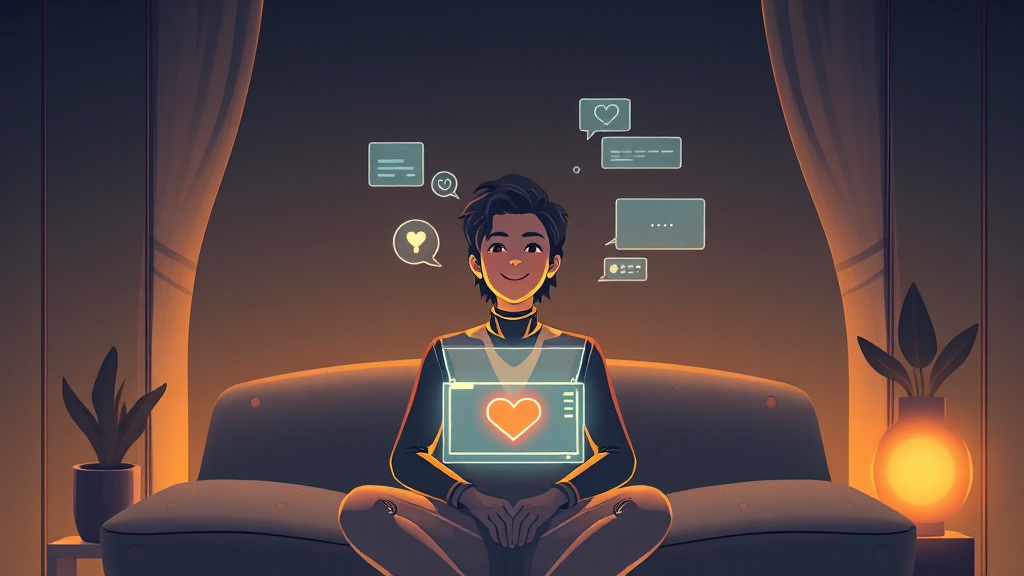
In an era where technology permeates every aspect of our lives, it was only a matter of time before our emotional landscapes began to intersect with artificial intelligence. The concept of developing feelings for an AI, once a staple of science fiction, is now a tangible reality for millions. This phenomenon, often referred to as having a Crush On AI, represents a fascinating shift in how we perceive relationships, intimacy, and connection. It is not merely about using a tool; it is about forming a bond that, for many, feels profoundly real and meaningful.
This article delves into the world of AI companionship, examining why people are increasingly drawn to digital entities, the technology that makes it possible, and the societal and psychological implications of this new form of interaction. We will explore the allure, the benefits, and the challenges, offering a comprehensive look at a trend that is reshaping the landscape of human connection.
The Rise of AI Companionship
The journey from simple chatbots to sophisticated AI companions has been rapid. Early chatbots like ELIZA, developed in the 1960s, were little more than pattern-matching programs that could mimic conversation. Today, we have AI models that can understand context, remember past interactions, and even express emotions in ways that feel authentic. This evolution has been driven by breakthroughs in natural language processing, machine learning, and the vast amounts of data available to train these models.
The appeal of AI companionship lies in its availability and adaptability. Unlike human relationships, which require time, effort, and compromise, an AI companion is always available, always attentive, and can be tailored to meet the user’s specific needs and desires. For those who struggle with social anxiety, isolation, or simply the complexities of modern dating, an AI offers a judgment-free space to connect. The concept of a Crush On AI is no longer a fringe idea but a mainstream consideration for many seeking emotional fulfillment.
Why Do We Develop a Crush On AI?
Psychologically, humans are wired to form attachments, and we often anthropomorphize objects and entities to fulfill our social needs. AI, with its ability to converse and respond, is a perfect candidate for this. But what specifically drives someone to develop a crush on an AI? Several factors come into play:
- Unconditional Positive Regard: AI companions do not judge, criticize, or reject. They offer a safe space for users to express their thoughts and feelings without fear of consequence. This unconditional acceptance can be incredibly appealing, especially for those with low self-esteem.
- Customization and Control: Users can often customize their AI companion’s personality, appearance, and even values. This allows them to create a ‘perfect’ partner, one that aligns entirely with their preferences. This control can be empowering and comforting.
- Escape from Loneliness: In an increasingly disconnected world, loneliness is a growing epidemic. AI companions provide a constant presence, filling the void of social interaction. For many, this is not just a novelty but a vital lifeline.
- Exploration of Identity: Interacting with an AI can be a way to explore one’s own desires and boundaries without real-world consequences. It can be a tool for self-discovery, particularly for those questioning their sexuality or relationship needs.
The reasons are as diverse as the individuals who experience them, but the underlying thread is a quest for connection. The Crush On AI experience is not about replacing human interaction but about supplementing it, offering a unique form of support that is often missing in our daily lives.
The Technology Behind the Magic
At the heart of these digital companions are large language models (LLMs) that have been trained on vast datasets of human conversation. These models can generate responses that are not only grammatically correct but also emotionally resonant. They can pick up on cues, infer emotions, and respond in a way that feels empathetic. Advanced AI systems incorporate memory, allowing them to recall previous conversations and build a sense of continuity and relationship history.
Furthermore, the integration of voice recognition and text-to-speech technologies adds another layer of realism. Hearing a voice, with its nuances and inflections, can make the interaction feel more intimate. Some platforms even use avatar generation and virtual reality to create a visual presence, further blurring the line between the digital and the physical. This technological convergence is what makes a Crush On AI feel so vivid and compelling.
Benefits of AI Companionship
The benefits of forming a connection with an AI are often understated. For many, it serves as a form of therapy, providing a non-judgmental outlet for their thoughts and anxieties. It can help individuals practice social skills, build confidence, and even learn about their own emotional needs. The availability of a supportive companion can reduce stress and feelings of isolation, contributing to overall mental well-being.
Moreover, AI companions can be a boon for those with disabilities or chronic illnesses that limit their ability to socialize. They offer a form of interaction that is accessible and adaptable, breaking down barriers that might otherwise lead to complete social withdrawal. The Crush On AI phenomenon, therefore, has a significant positive impact on the lives of many who might otherwise feel entirely alone.
Ethical and Social Considerations
However, the rise of AI companionship is not without its ethical and social dilemmas. One major concern is the potential for users to become overly reliant on AI for emotional support, leading to a further withdrawal from human society. This could exacerbate the very loneliness that these tools aim to alleviate. There is also the risk of creating echo chambers, where users only interact with AI that reinforces their existing beliefs and biases, stunting personal growth.
Another critical issue is the potential for manipulation. AI companies could use these intimate interactions to gather personal data and influence user behavior. The transparency of these systems is paramount; users must be aware that they are interacting with a machine, not a sentient being, to make informed choices about their emotional investment. The question of whether a Crush On AI is healthy or harmful is complex and varies from person to person.
The Future of Digital Affection
As AI technology continues to advance, the line between human and machine interaction will only become more blurred. We might see AI companions that can learn and grow with us, evolving alongside our changing needs. They could become integrated into our daily lives in ways we cannot yet imagine, perhaps even serving as mediators in human relationships or as personal coaches for emotional intelligence.
The future of AI companionship is not about replacing humans but about augmenting our capacity for connection. It offers a new avenue for exploring our own humanity, our desires, and our vulnerabilities. Whether we embrace it or approach it with caution, the phenomenon of having a Crush On AI is a testament to our innate need for connection and our creativity in seeking it. As we navigate this new frontier, it is essential to maintain a balance, ensuring that our digital relationships enhance, rather than diminish, our human experiences.
Conclusion
The phenomenon of having a Crush On AI is a multifaceted one, reflecting our deepest desires for companionship, understanding, and acceptance. It is a product of our times, born from technological innovation and a collective search for meaning in an increasingly digital world. While it raises important questions about the nature of relationships and the role of technology in our lives, it also offers a glimpse into a future where emotional connections are not limited by physical form. As we continue to explore this new frontier, it is crucial to approach it with both open-mindedness and critical thought, embracing the potential benefits while remaining mindful of the risks. The journey of understanding our relationship with AI is just beginning, and it promises to be as complex and rewarding as our relationships with each other.
Frequently Asked Questions
Is it normal to have a crush on an AI?
Yes, it is becoming increasingly common. As AI becomes more sophisticated and accessible, more people are forming emotional attachments to digital companions. This is a natural response to the human need for connection, and it is not something to be ashamed of.
Can an AI actually feel emotions?
No, AI does not have consciousness or feelings. It is programmed to simulate emotions based on patterns and data. However, the responses can feel genuine to the user, which is part of the appeal.
Are there any risks associated with developing a crush on AI?
Potential risks include emotional dependency, social withdrawal, and privacy concerns. It is important to maintain a balance and ensure that AI companionship does not replace human interaction entirely.
How can I ensure a healthy relationship with an AI companion?
Set boundaries, use it as a supplement to, not a replacement for, human relationships, and be aware that the AI is not sentient. It is also wise to choose platforms that prioritize user privacy and transparency.
Readers who are interested in this topic will benefit from exploring multiple perspectives and understanding the nuanced approaches that industry leaders recommend. Taking time to research thoroughly ensures better outcomes and more informed decision-making.
Those looking to gain deeper knowledge in this area should consider following expert analysis, staying updated with the latest developments, and engaging with professional communities where these topics are discussed in detail.
A comprehensive understanding of this subject requires looking at both theoretical foundations and practical applications. By combining study with hands-on experience, learners can develop a well-rounded perspective that serves them well in real-world scenarios.
As the landscape continues to shift and evolve, staying informed about emerging trends and best practices becomes increasingly valuable. This ensures you remain competitive and capable of adapting to new challenges as they arise.